Link building has become a pillar of success for websites, especially for ecommerce stores.
This strategy not only improves your rankings on Google and other search engines, it also increases the visibility and authority of your online store.
In this article we will explain the importance of link building in the context of ecommerce, highlighting its benefits and providing a series of effective link strategies that help you rank and let you make more sales.
What is link building?
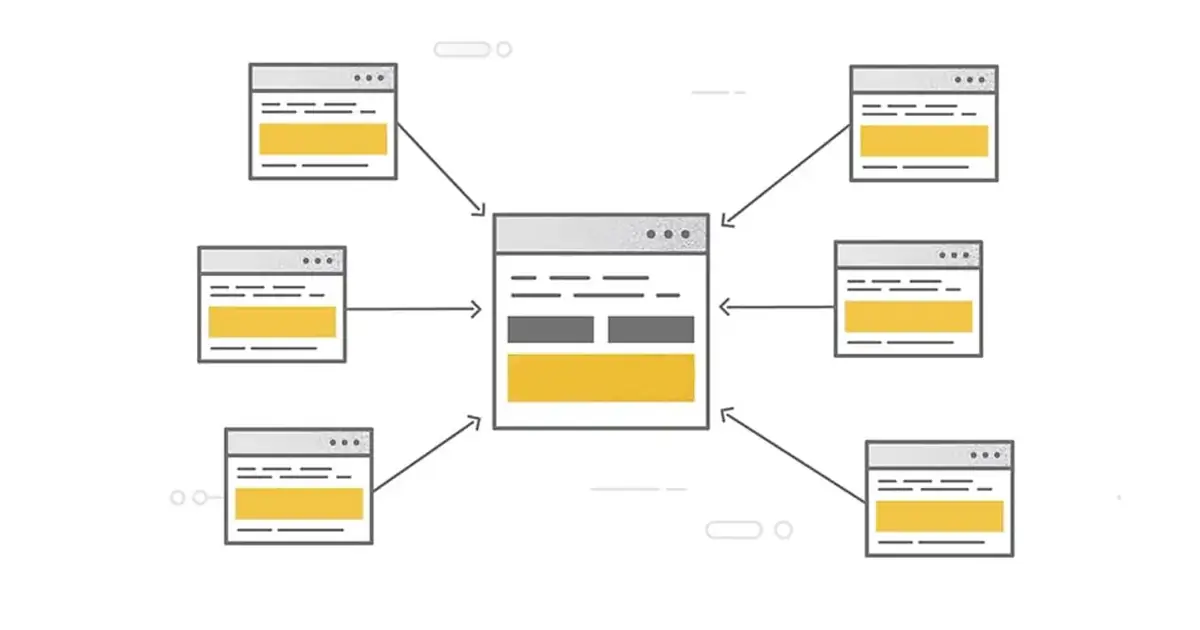
In a nutshell, link building is an off-page SEO technique that consists of getting other websites to link to ours.
The goal is to increase the relationship between your site and other websites, as well as the reliability, domain authority, and so on of our website, thus improving its rankings on Google.
This strategy is based on getting external links (backlinks) that signal to Google the quality and relevance of our content, contributing to better rankings and attracting more visits and potential customers.
It is very important that the links come from websites with high authority, that are thematically related, and that they appear in a natural and varied way.
Why do link building for an ecommerce store?
If you have an ecommerce store, you know that visibility is key to success. Good rankings can translate into an increase in organic traffic, which in turn translates into more sales.
Here are some of the main benefits of doing link building for an ecommerce store:
- It improves your search engine rankings: The more high-quality links your online
store has, the better its position in the SERPs. This means more potential customers will see your
website when they search for products or services related to your niche.
- It increases organic traffic: More people will visit your online store for free,
which can increase your conversions and sales.
- It improves brand authority: High-quality links from well-known websites can help
you improve your brand's authority, and this will make consumers see you as a more trustworthy and
credible company.
- It sets you apart from the competition: With a solid link profile, you will show consumers that your online store is valuable and deserves their attention.
These and many more are the benefits of working on link building for an online store, but before you start building links, there are certain details we need to keep in mind so that the link building strategy works perfectly.
Key points for your link building strategy to work
Before you start implementing a link building strategy, it is important to make sure your website is ready from an SEO point of view to get the most out of your links.
Here are some points you should check:
- Quality product content: Make sure every product page has unique, detailed
and useful descriptions. Include the product's features, benefits and uses.
- Keyword research: Research keywords for your products and categories.
Integrate these keywords naturally into product descriptions, titles, meta descriptions and
image alt tags.
- On-page optimization: Every product and category page must be properly
optimized. Make sure the meta descriptions are appealing and include a CTA.
- Site loading speed: Optimize images, minimize the use of scripts and use
caching to improve loading times.
- Responsive design: Your online store must be fully functional on mobile
devices and tablets.
- Internal links: Implement a solid internal linking strategy to make it easy
to navigate between products and categories. Use related links to guide users to complementary
or alternative products.
- User experience (UX): Make sure your ecommerce store is easy to navigate,
with a simple and secure checkout process.
- Customer reviews and ratings: Customer reviews and ratings not only improve
credibility and trust, they also provide fresh and relevant content that can improve SEO.
- Structured data: Implement structured data for products, reviews and offers. This helps search engines better understand your content.
Of course there are other SEO points that are also important, but once you have checked at least these points, you will be ready to start implementing an effective link building strategy.
Link building is a long-term process. Don't expect results overnight. What matters is being patient, consistent and continuing to create high-quality content.
Link building strategies for ecommerce
Below we will look at link building strategies that work for any online store. The important thing is to adapt these ideas to your specific niche and to your target audience.
The purpose of this section is to help you spot opportunities to acquire links in different ways.
Use your blog
Having a blog on your ecommerce store can be very useful. First, it lets you use keywords more freely, as long as they are related to your niche.
For example, for a T-shirt store, “the 5 best T-shirt brands” or “how to choose the perfect T-shirt for summer”. This will attract people interested in your industry, so you can then direct them to your online store and turn them into buyers.

In addition, you will be able to get quality links from blogs about fashion, lifestyle, casual wear, summer trends, etc. Blogs are more likely to link to an interesting article than to a product page.
Product insertion technique
This technique is common in well-ranked posts for queries such as “best [product type]”.

Offer your product to review sites in exchange for being featured. If they like it, ask them to include it in their articles. This method leverages the influence of the authors on review sites.
Look for unlinked mentions
Unlinked mentions are references to your brand or product that do not include a link to your site. For example, a mention of iPhone or AirPods without a link to “apple.com”.
Basically, this happens when people talk about your brand or product without linking to you. Find these mentions and ask the authors to add a link, taking advantage of the fact that they already know and like your brand.
“Where to buy” pages
These pages list stores where specific products can be bought, and they do that job perfectly. You can find many of these websites by searching Google for “where to buy [your product]”.
For example: “where to buy soccer jerseys”.

Make sure your products appear on these pages. If you sell third-party products, check whether those brands have retailer pages and ask them to include your website.
Publish statistics pages
Publishing pages or articles with statistics about a category related to your products will attract visits, since bloggers and journalists look for sources for their articles.
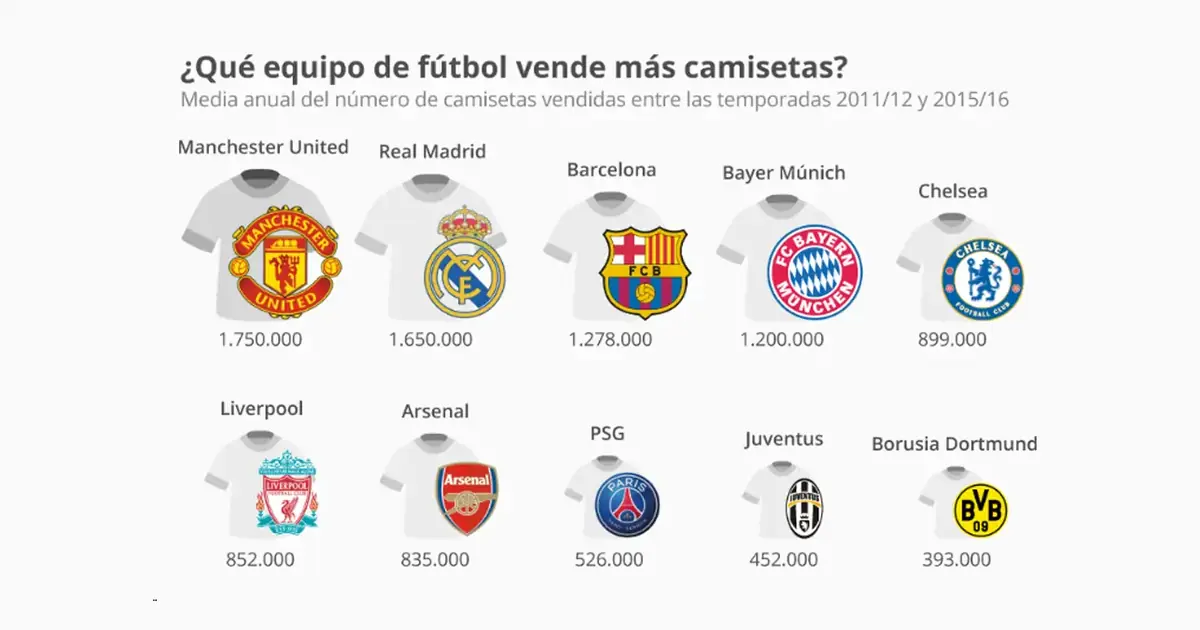
Creating lists of statistics related to your products is an effective way to attract relevant backlinks.
Link building with images
Link building with images is highly recommended. Multimedia elements are increasingly relevant for earning links, and there is a very interesting strategy to get links from your online store's unique images.
- Make sure your ecommerce site has unique images for each product. Avoid generic stock photos, since they are widely used and do not reflect your brand's identity.
- Once you have a collection of exclusive product images, use tools such as Google reverse image search or TinEye. These tools will let you identify other websites that use your images.
- When you find a website that uses one of your images, check whether it links to your site. If it doesn't, you have found an unlinked image.
- Before asking for a backlink, evaluate the website to make sure it is a suitable place to associate with your brand. Consider the site's relevance to your business, its authority and its audience.
- If you decide the site is suitable, contact the owner or webmaster. Let them know they are using an image from your site and ask whether they would be willing to provide a link to your product page. Make the process easy by providing the exact URL.
- If you don't get a reply, send a follow-up email after one or two weeks.
The key is to stay proactive and persistent. With time, effort and the right approach, this tactic can significantly improve your site's SEO.
Partner with complementary products
Working with companies that are not direct competitors is very useful for link building. These companies already have an audience similar to yours, and sharing your business can increase exposure and sales.

Identify related companies and products that can help you build quality links. These partnerships benefit both parties, with good links and access to a similar audience, as well as building business relationships.
Some examples could be:
- Clothing store and fashion accessories
- Kitchenware and gourmet food
- Sporting goods and sports nutrition
- Furniture and home decor
- Toys and children's books
- Pet products and pet care services
Create linkable assets
Produce linkable content such as infographics, videos, how-to guides, interviews or ebooks. Providing valuable and useful information increases your chances of earning links if the content deserves it.
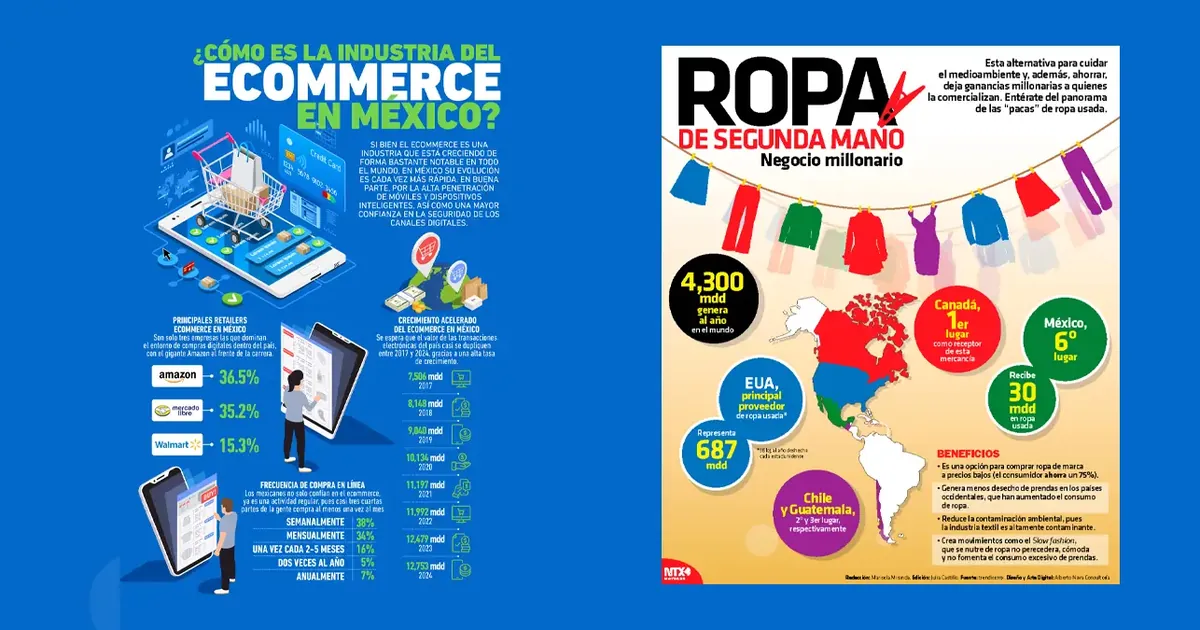
Think about what would make your consumer click on a link. The type of content will depend on your niche and on how much time you can spend creating it, since it takes time.
Check whether you currently have worthless backlinks
Before starting a link building campaign, review your current link profile to make sure you are not receiving worthless links.
Ecommerce stores can run into SEO problems when managing the product life cycle. Deleted pages or categories that return 404 errors make the links they receive useless.

Crawl your site regularly, especially after inventory changes. Filter the pages with errors that receive links and:
- Ask them to link to a similar product with a live page, or
- Redirect those pages to the relevant ones.
Use tools such as Screaming Frog or Ahrefs to find these 404s with orphaned backlinks.
Track down brand and product mentions
A strategy very similar to the image one is to use Google's advanced search to find mentions of your brand or products on other pages.
Once you have a list, ask the owners for the link. This is especially useful for getting old links, broadening the variety of domains and improving your site's authority.
If your ecommerce store is new, this strategy may not help you much, but over time you should review your unlinked mentions.
Make the most of widgets
Creating a widget or small app that can be embedded on any page or blog with a simple code that includes a link is a great link building strategy for ecommerce.

For example, if you sell camping gear, you could develop a simple app that shows the best nearby hiking trails and campsites. This adds value and increases your authority in search engines.
Buy sponsored posts
This last strategy, and probably the most efficient one, is to acquire links for your ecommerce store on tools like Growwer.
Although buying links may seem risky, with the right knowledge and the right practices, you can minimize the risks and get the most out of the benefits of link building.
It is better to have a few quality links than a large number of artificial links that bring no traffic, but although Google recommends creating quality content to earn links naturally, in practice, getting quality links usually requires an investment.
Link building takes a lot of time, and our tool cuts this process down to just minutes. With a quick and free sign-up, you will have access to more than 30,000 media outlets and blogs from all over the world, filtered to your needs, and ready to offer you posts with links that meet Google's quality standards.
On the other hand, if you don't have the time or knowledge to do this task, you can opt for our managed service, where our Growwer team will take care of everything for you.
In addition, if you are looking to buy quality backlinks at the best price, you can use Growwer to import the media outlets you find on other platforms or on the internet, so you can compare prices and always get the best deal.
Using Growwer is very easy and you only need to follow these simple steps:
- Sign up in the tool .
- Go to the buyer section.
- Go to “Add Project” to register your website.
- Fill in the basic information requested in the project generation process.
- After this process, the system will start cross-referencing all the information about the project's needs with the database, in order to find the sites where your website can get the best SEO link.
And you, are you getting quality links for your ecommerce store? Remember that a solid backlink building strategy is essential to improve your site's rankings and authority.