Local SEO is a fundamental strategy for any business that wants to attract customers within a specific geographic location. This guide will help you optimize various aspects of local SEO, with a special focus on link building.
What is local link building?
Link building for local SEO consists of getting links that point from other websites to yours, specifically from sites that are geographically related to your business.
This process is a strategy carried out outside your website, and it serves two main purposes.
-
First, links from other websites pass part of their authority on to your site, which improves
your reputation in the eyes of search engines.
- Second, they help Google better identify your business's geographic location, which improves your rankings in local search results.
By getting these backlinks, you increase your business's relevance and visibility in your local area, attracting nearby potential customers.
Acquiring local backlinks is a task that, although it may seem challenging, does not require a large number of links to be effective. A few quality links can be enough to see positive results in your visibility.
How can local backlinks help your business?
Local backlinks can be very beneficial for your business in several ways.
- Increased visibility
- More traffic
- Relevance for your target audience
- A stronger local brand
- Impact on sales
Before we look at the strategies for getting local links, it is very important to have both our Google local listing and our website in good shape.
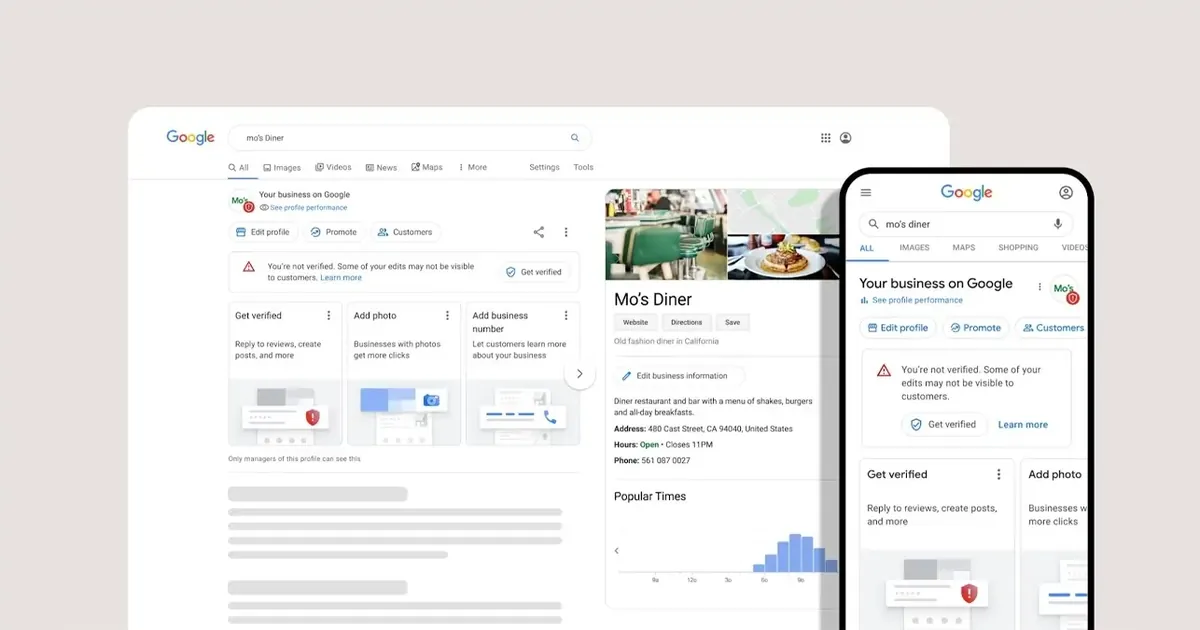
Google Business Profile optimization
- Creating and optimizing your listing:
The first step is to create and optimize your Google Business Profile listing. This listing is essential to appear in Google's local pack, one of the most powerful tools for attracting local customers.
- NAP consistency:
Make sure your name, address and phone number (NAP) are consistent across your GBP listing, your website and any directory you sign up for. Consistency is key to avoid confusion and improve your credibility with Google.
- Adding photos and categories:
Upload high-quality images that show your business, team and products. Also select at least three categories relevant to your business. This will help Google classify your company more accurately and show it to relevant users.
- Getting reviews:
Reviews are essential. Ask your satisfied customers to leave reviews and make sure you reply to them. Reviews not only improve your reputation, they also influence your ranking in local searches.
Website optimization
- Titles, meta descriptions and headings:
Include the town or towns where you operate in your tags and headings. This helps Google understand where your business is located and show it in relevant searches.
- Structured data:
Add Schema markup to your home page and your service pages. Use the JSON format to include as much information as possible about your local business. This makes it easier for Google to understand your content and improves your chances of appearing in search results.
- Image optimization:
Name the images on your website with relevant descriptions that include the location, such as “lawyer-alicante.jpg”, and make sure you add ALT attributes. You can also geotag your images to improve your SEO even further.
How do you discover local link opportunities?
One of the strategies that work best in link building is to identify your competitors and then use SEO tools to discover which websites link to them.

By analyzing your competitors' backlink profiles, you will be able to identify potential local websites you can get links from for your own site.
For example, if a website has links from a specific forum or directory, you could consider creating profiles on those sites. Or if your competitor has contributed a guest article to a local publication, you could explore the possibility of doing the same. Always weighing up whether it is worth it, of course.
To carry out this process, you can follow these two simple steps:
Identifying competitors
You may already have an idea of who your direct competitors are. However, you can expand this list by searching on Google using the key terms related to your business and noting which sites appear in the results.
For example, if you have a pastry shop in Madrid, you could search for the term “Pastry shop Madrid” and take note of the websites listed on the first page of results.
Examining local backlinks
Once you have identified your competitors, you can use SEO tools such as Ahrefs to see which websites link to them.
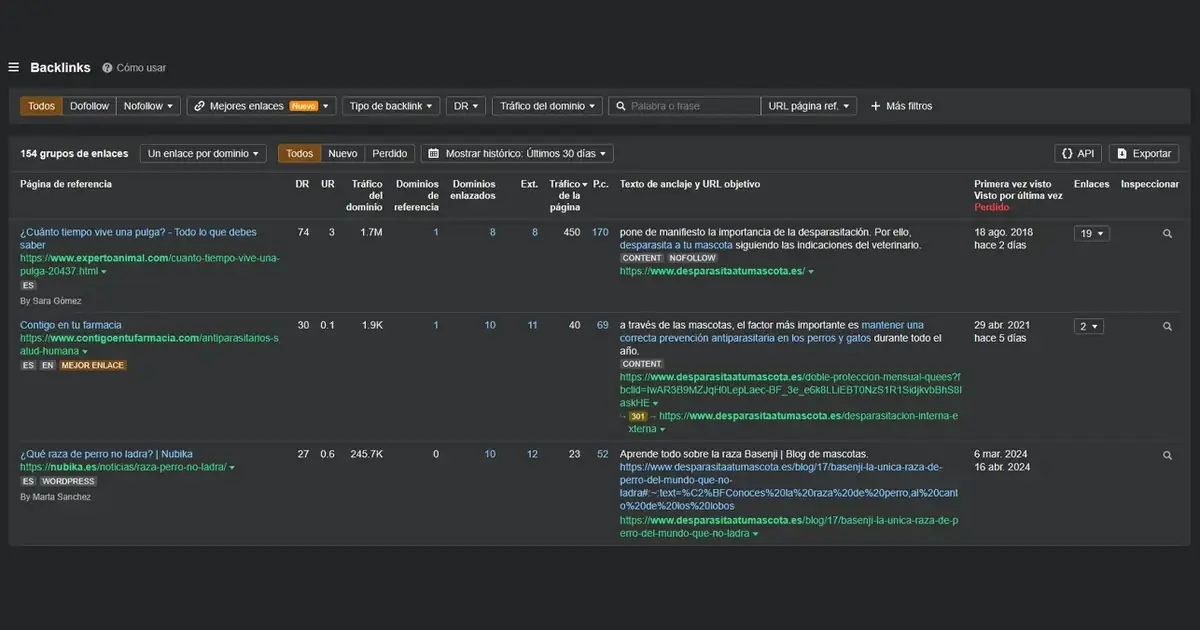
This will help you identify opportunities to get links from relevant local sites.
For example, you might discover that your competitors have links from local business directories, local food blogs, or even local chefs' associations.
11 link building strategies for local SEO
Besides analyzing your competitors, there are other effective strategies to strengthen your local rankings. Some of these strategies have more SEO impact than others, but remember that when it comes to building a strong brand online, every signal we can send counts, always putting quality over quantity.
Publish in local media
Sharing your story in local media can be a powerful strategy to improve your online presence and build valuable links. Local media outlets have a unique reach and an audience that is engaged with the issues that affect the community.
We know that contacting media outlets and negotiating prices is a tedious task, which is why our best recommendation for this practice is to use tools like Growwer to get the links.
Growwer is the link building tool with the largest Spanish-language database, with more than 33,000 media outlets to publish in.
Using Growwer is very easy and you only need to follow these simple steps:
- Sign up in the tool .
- Go to the buyer section.
- Go to “Add Project” to register your website.
- Fill in the basic information requested in the project generation process.
- After this process, the system will start cross-referencing all the information about the project's needs with the database, in order to find the sites where your website can get the best SEO link.
Remember that the quality of the post is very important, since publishing in other media outlets will also bring a lot of qualified traffic to our local website.
If you need more information on how to use Growwer to boost your local business, in this video Dani Llamazares shows you, step by step, how to find media outlets the right way using the tool.
Offer testimonials
You put this strategy into practice when you provide a review for a local business or service you have used (one that is relevant to you).
The business adds your recommendation to its website and links to your site. You benefit from the link, while the business benefits by showing potential customers how great its service is.
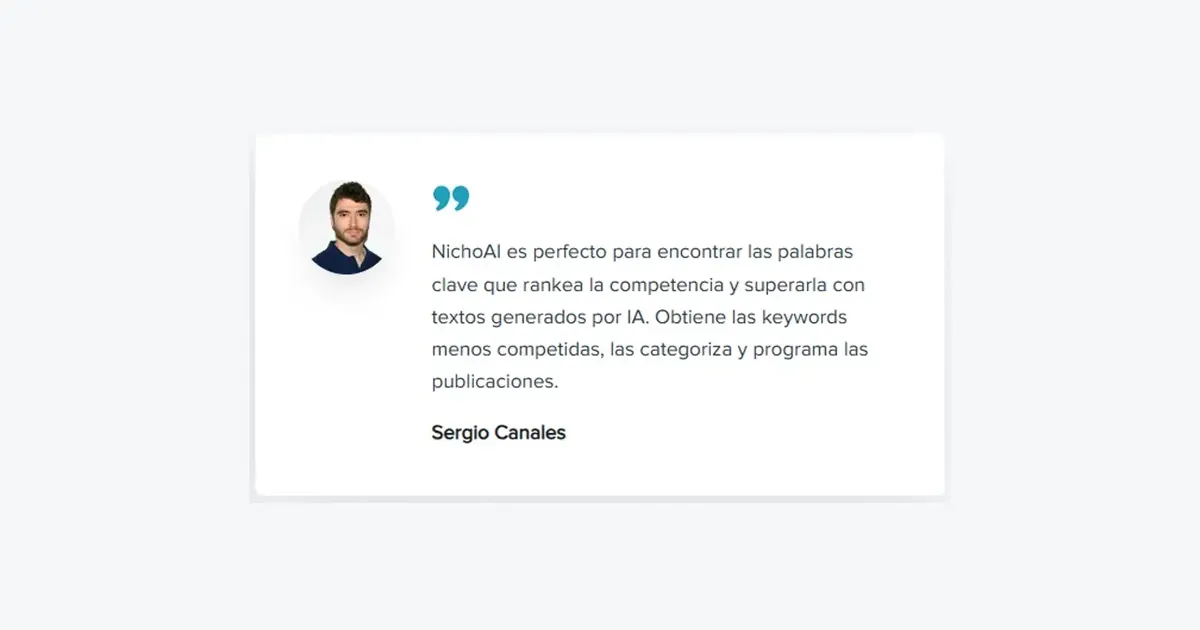
To use this form of link building, make a list of local businesses you would be willing to recommend.
Then get in touch with them and ask whether they would like to use your review.
Keep an eye out for local businesses that already feature case studies, testimonials or customer stories on their website. These are good targets, since they have a proven track record of linking to sites.
Become a trusted source
Becoming a source is an excellent way to get featured in the press. Providing quotes for stories about your area of expertise gives articles more authority.

The biggest challenge is building relationships with journalists. Reach out to people in your network to see whether any of them know writers who might be interested.
Another good option is to search on social media. Many journalists are active there, so it is an excellent place to build relationships.
If these practices don't work, go straight to the publications you want to appear in. Let journalists and editors know about your expertise and that you are willing to be featured in articles.
Write guest articles
As a business owner, you have particular expertise that others may find interesting. You can use this to write columns or guest articles for the local press.
The strategy is similar to guest blogging. You make a list of local media outlets that publish contributor stories and then pitch ideas to their editors.
In the following article you can read: How can you take advantage of guest posts to generate quality links?
Add your business to local directories
Business directories don't offer the strongest local links, but they are usually quick and easy to get, so they can be worth finding. Plus, many local businesses don't even need more than directory links to rank fairly well.
There are loads of directories out there, including many that are specific to an area.
Be creative when searching, since no single term will show you all the directories you want.
Terms you can try:
- “[your location] company directory”
- “[your location] business directory”
- “[your location] [business type] directory”
Besides the city you are in, try neighboring towns or areas too.
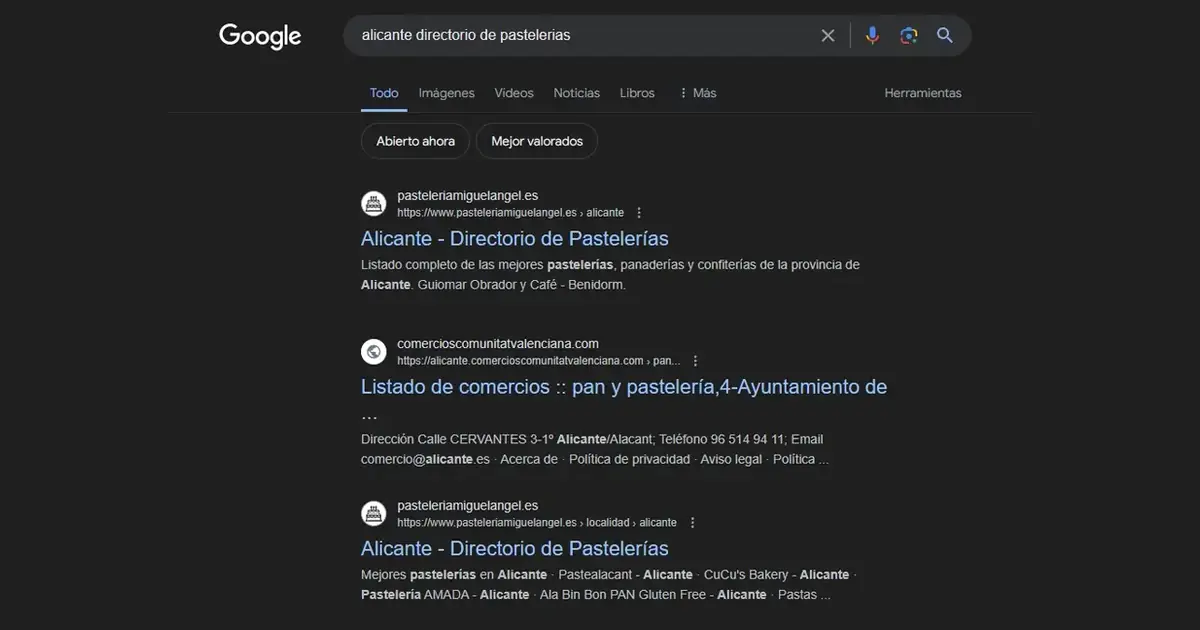
Large directories usually give us the link to add our business to the list. But this may not be the case on local listing sites.
If you can't find instructions for adding your site, email the directory owner for more information. You will usually need to add your name, address and phone number along with a link to your website.
Some of these listings are paid, so before making a decision, consider the site's traffic, its presence, the cost and the quality of the directory.
Reach out to local bloggers
It can be easier to catch the attention of bloggers than of local media. And these sites can still have large, highly targeted audiences.
The key is to find relevant sites and then connect.
People blog about a wide variety of topics, so you are likely to find something relevant.
Just go to Google and start searching. Some ideas you could try are:
- [your industry] blog in [your location]
- Best blogs in [your location]
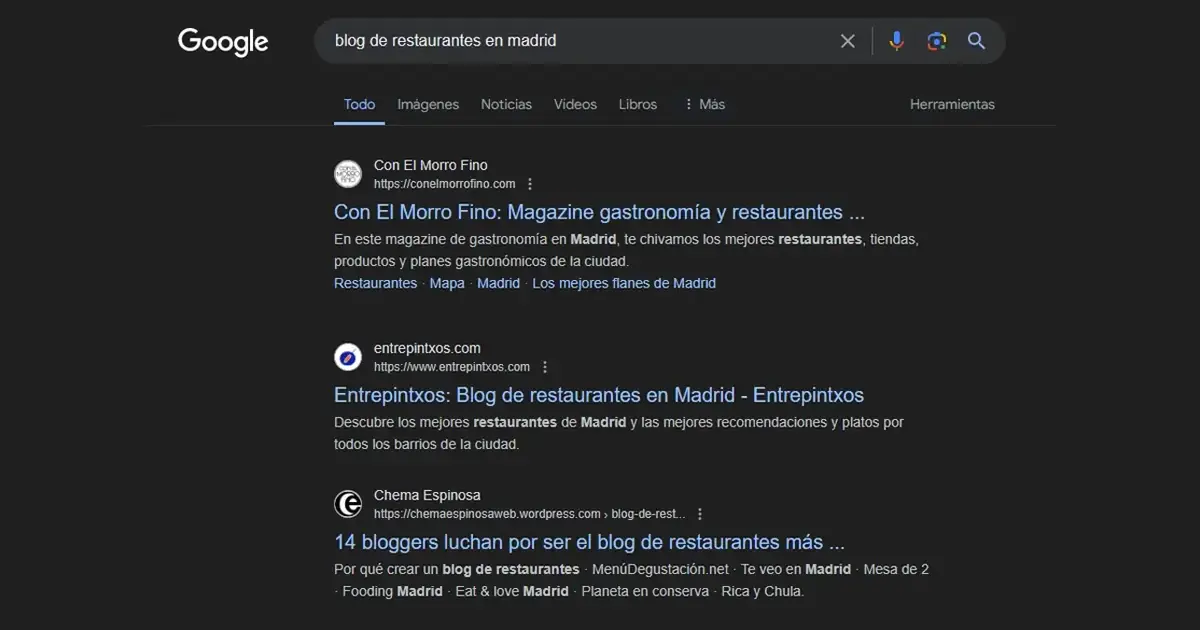
Another way to find relevant people is to go to social networks like Instagram. Here you can find bloggers whose websites did not show up in your initial search.
Once you have a list of publications, get in touch with the owners and suggest that they link to you. Make sure you offer something in exchange for a link.
Create linkable assets
Creating linkable assets is one of the most natural practices in link building.
To implement this strategy successfully, you need to create content or a resource with the specific intention of attracting links.

Linkable content also works for local link building. You just need to create an asset that appeals to blogs and websites in your area.
There are many types of assets you could create. Make sure you choose one that is relevant to your business, since creating it usually takes quite a lot of time.
Some ideas:
- Local events guide
- Infographics
- Local recipes or typical dishes
- Interviews with local entrepreneurs
Once you have created your resource, you have two options for how it can generate local links.
- The first is to wait for people to find it and link to it organically.
- The second option is to promote the resource:
Send it to local publications and bloggers and share it on your social media. If you have included other businesses, let them know and tell them you would appreciate it if they added a link on their website.
If the content is valuable enough, website owners will be happy to share it with their audience.
Sponsor local events
Sponsorships are not just an excellent way to generate publicity. They can also be an effective way to generate local links.
The idea is that when you sponsor a group, event or team that has a website, they link to the companies that sponsor them.

It is key to assess a sponsorship choice by its link potential and by the exposure it could generate.
Social media links
Social media is a fundamental component of digital marketing, even at the local level, and Instagram and Facebook stand out as the most influential platforms.
Creating a profile on one of these platforms opens up the possibility of interacting with potential customers and generating a series of quality backlinks.

Including the website link in a Facebook or Instagram profile makes it easier for users to access it. This also helps increase authority and E-E-A-T.
Besides setting up links, it is very important to provide accurate information about the company, which makes it easier for search engines to validate it.
And, last but not least, keep in mind that links should only be created on social networks that are active for the company. There is little point in opening an account on a social network that stays deserted.
Take part in local forums
Forums are not as popular as they used to be. And links from forums are usually NoFollow. However, they can still be an easy way to generate local links to your website.
Plus, active forums can be good places to build relationships with people in your area.
The first step of this strategy is to find forums. You can start by searching Google for relevant terms.

The biggest challenge is leaving links without looking like you are spamming the community.
Some forums let you include a link in your bio or signature. This is the least intrusive way to place a link to your site.
If you want to add links to threads or comments, only do it when they are highly relevant and add genuine value for readers.
An additional benefit of forum links is that they can bring significant relevant traffic to your site.
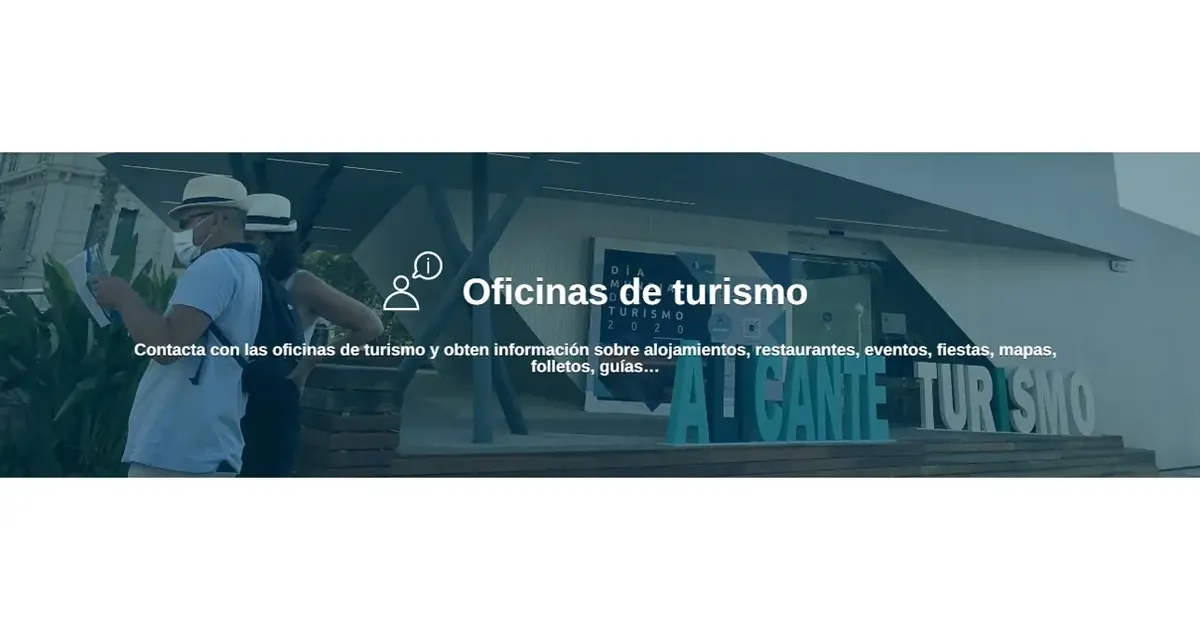
Contact your local tourism office
Tourism offices are often happy to promote local businesses that visitors might find interesting. If your business attracts tourists, this is a good way to build local links.
Appearing on this website would not only bring a link, it would also be a good opportunity for tourism-related businesses to get exposure.
These sites often have contact forms you can use to suggest your business. If you can't find one, send a message to the marketing team.
Local SEO is essential for any business that wants to attract customers within its geographic area. Optimizing local link building, which involves getting links from sites geographically related to your business, is a key strategy to improve your visibility and relevance in local search results.
By acquiring local backlinks, you not only increase your website's authority, you also strengthen your connection with the local community, attracting nearby potential customers and increasing sales.
In addition, optimizing your Google Business Profile and your website are fundamental steps that should be complemented with effective link building tactics, such as publishing in local media, offering testimonials, becoming a trusted source and sponsoring local events.
Are you ready to get links for your business with these local link building strategies?