Backlinks, or inbound links to your website from other pages, are essential to improve your site’s rankings and authority, since they act as votes of confidence.
The more quality links (coming from relevant, authoritative websites) point to your site, the greater the likelihood that your site will be considered relevant by search engines.
But how can you get quality backlinks?
In this article we explore 10 effective strategies to get backlinks no matter which industry you are in.
Finding unlinked mentions
With this strategy we look for websites that have mentioned our brand or company without linking to it. The goal is to contact the administrators of these sites and politely ask them to link to us.
These mentions can be identified manually by running custom searches on search engines. We can also use commands and/or “footprints” to help us find these mentions.
One recommendation is to use Google Alerts or Ahrefs alerts to automate the tracking of these mentions. This can be complemented with regular manual searches to make sure we do not miss any mention.

Backlink gap analysis
One of the fastest ways to identify backlink opportunities is to run a backlink gap analysis, a technique that consists of finding websites that link to your competitors but not to your own website (yet).
If a website has linked to your competitors, it is likely that it will also be willing to link to you if your content is relevant and high quality.
You can use a backlink gap analysis tool to simplify this process. Both SERanking and Semrush have one.
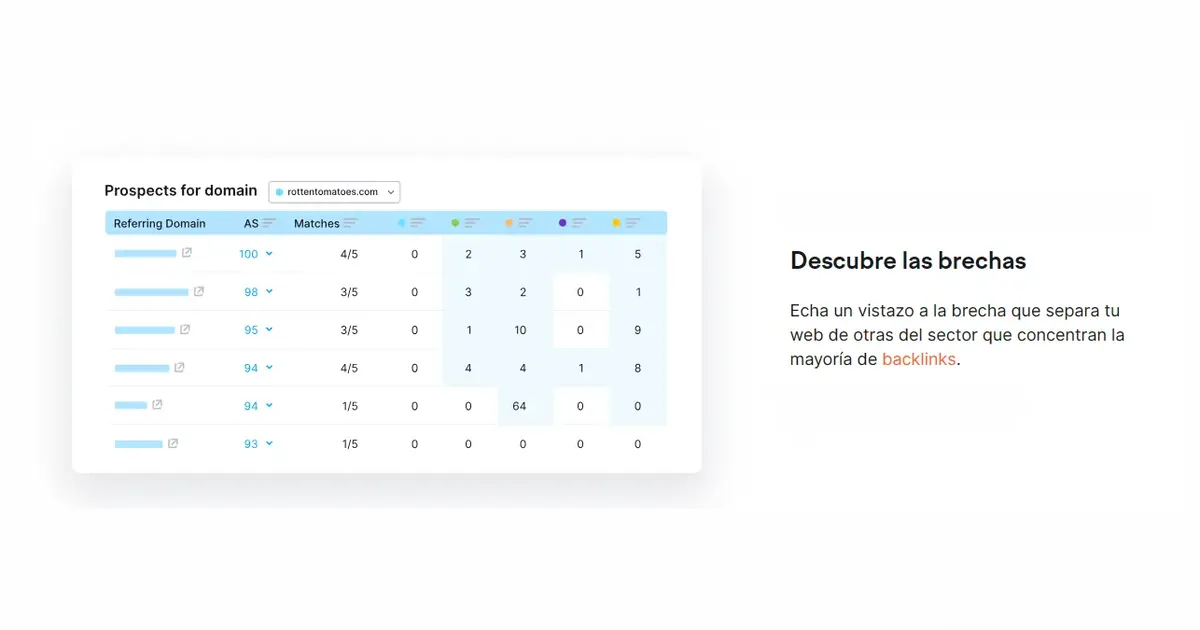
Not all links will be relevant, so take your time to review the pages that send backlinks to your competitors and decide whether they are worth contacting.
Once you find a page that you would like to link to your website, you can contact the webmaster to explore the possibility of getting the link.
Finding broken links on websites in your industry
The goal of this strategy is to analyze and study all the relevant websites in our industry to identify any broken outbound links they may have. Once identified, we contact the site’s webmaster to report these broken links and offer an equivalent page from our website as a replacement.
To find these broken links, we can use tools such as Screaming Frog or Ahrefs.
We will talk about how to detect these links in more depth in another post, but once they are detected, and if they fit our strategy, we go ahead and contact the person in charge of the website.
Links in forums and blogs
This link building method involves getting inbound links to our website by creating profiles on forums and blogs, as well as taking part in them actively. It is especially useful if we manage to have an active profile on forums and blogs related to our company’s industry, since it can be an excellent source of referral traffic and of different types of inbound links.
Although most forums and blogs control their outbound links to prevent spam, the links obtained this way can help make our company’s profile look more natural, since they are usually tagged as nofollow or UGC.
Networking
This technique consists of getting links manually through collaboration with the players connected to our company. Link requests can be addressed to customers, suppliers, influencer campaigns and partners, among others. The goal is to create a win-win situation for both parties.
For example, if our company has provided a testimonial or a positive review of the services of one of our suppliers, we could ask them to include a link to our website on their testimonials page or in their partners section.
This strategy is simple, highly effective and carries a very low risk of penalty.
Guest posting
Guest posting is a link building strategy that involves collaborating with other media outlets, companies or websites. These sites usually allow the publication of articles written by guests, which lets you include outbound links in those articles.
This technique can be more effective if we have a recognized person in the industry, although this can vary from case to case. It is a quick and easy way to get links in the short term, with a risk level that is not very high. However, the risk and effectiveness of this strategy depend on how many guest posts the website you collaborate with publishes and how often.
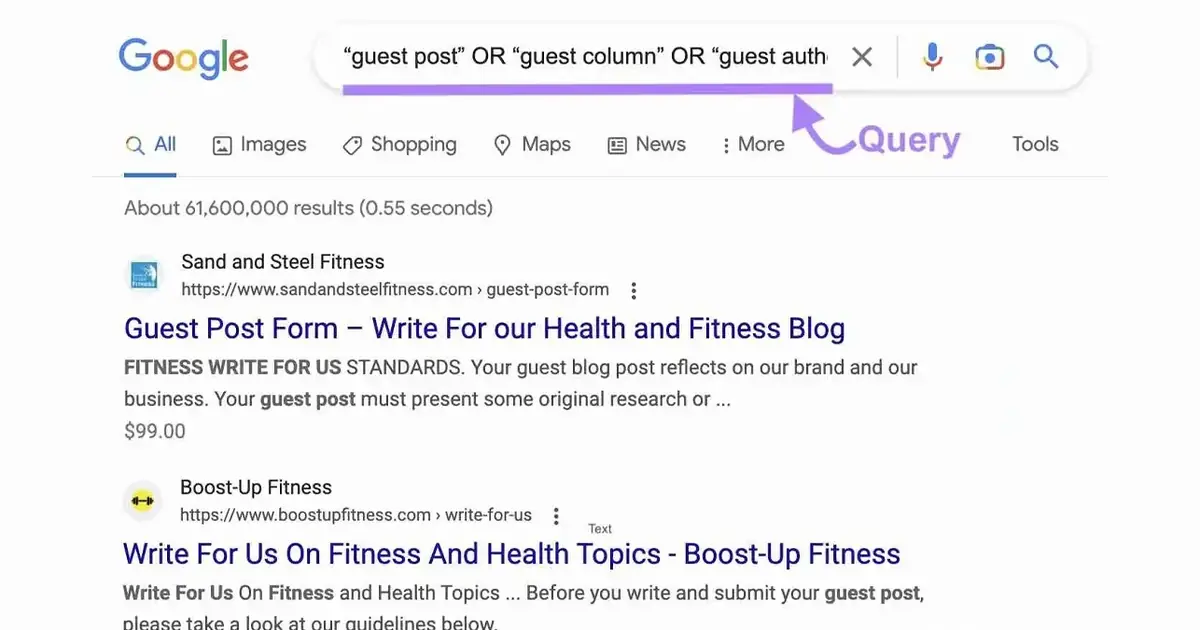
To find websites that offer guest posting, it is a good idea to use certain “footprints” that help us find results related to this technique.
Directory links
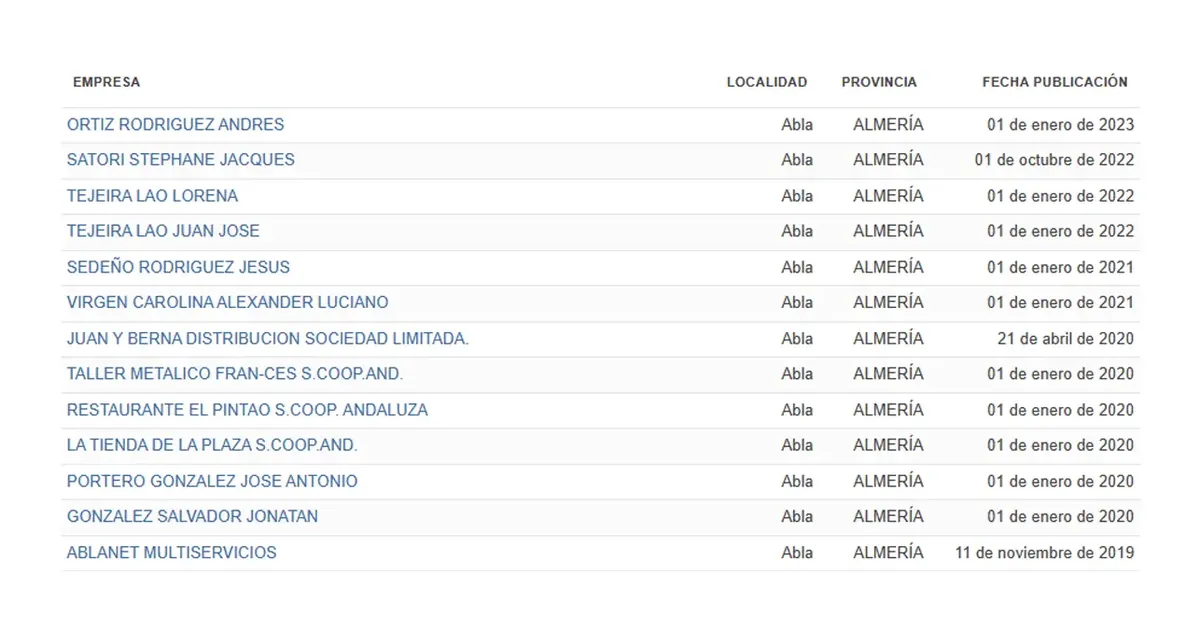
There are directories on different topics that usually allow you to create a company profile with a link back to your site. This method is especially useful for local SEO in certain professions, since many users use these directories as if they were search engines.
Although some of these directories control their outbound links to prevent spam, they are generally less regulated than blogs and forums.
Links acquired through this method may not have a high value, but they are useful to improve the inbound link profile of our websites.
Content sponsorships
Another effective link building strategy is content sponsorship. You have a wide range of options available, from sponsoring an entire blog to a single post. The flexibility is practically unlimited, letting you adapt your sponsorship strategy to your needs and goals.
Once you decide to invest in a sponsorship, make sure the agreement includes a link to your website and try to get it marked as DoFollow.
Link Baiting
The goal is to create and publish relevant content on the website that improves search engine rankings and that users use as a source or reference. This type of content usually includes resource pages, infographics or studies backed by a large amount of data.
The aim is to get inbound links organically in the medium and long term, by creating high-quality content that is relevant in the industry.
This strategy carries no risk of penalty and, if implemented correctly, it can be very effective.
However, it is important to have the knowledge and the capacity needed to produce this kind of high-quality content.

For example, we have developed a link building study where you can find a thorough analysis of more than 9,000 posts made by a range of professionals in the Spanish-speaking community in terms of sponsored content and link building.
Buying sponsored posts
This last strategy, and probably the most efficient one, is to acquire links on tools such as Growwer.
Although buying links may seem risky for your SEO strategy, with the right knowledge and the right practices, you can minimize the risks and make the most of the benefits of link building.
It is better to have a few quality links than a large number of artificial links that do not attract traffic. And although Google recommends creating quality content to earn links naturally, in practice, getting quality links usually requires an investment.
Link building takes a lot of time, and our tool cuts this process down to just minutes. With a quick, free sign-up, you will have access to more than 30,000 media outlets and blogs from all over the world, filtered according to your needs, and ready to offer you posts with links that meet Google’s quality standards.
On the other hand, if you do not have the time or the knowledge to do this task, you can choose our managed service, where our team at Growwer will take care of everything for you.
Also, if you want to buy quality backlinks at the best price, you can use Growwer to import the media outlets you find on other platforms or on the internet, so you can compare prices and always get the best deal.
And you, are you getting quality links for your website? Remember that improving your site’s rankings and authority requires a solid backlink building strategy.