In SEO, backlinks are still one of the most important elements for improving your visibility and authority, especially in 2024 with the arrival of AI. Although Google’s algorithm updates have changed many of the rules of the game, one thing is still the same: if you get quality websites to link to your content, your page will skyrocket in the SERPs.
But it is not just about getting any kind of link. In this article, we are going to talk about how to get quality backlinks, how they affect your domain authority, and how you can use DinoRANK to manage your link strategy efficiently and improve your rankings.
You need to be an authority for Google
A backlink is a link from another website that points to your site. For Google, these links work as “votes of confidence,” which means that the more quality links you have, the more authority it gives your page. However, the key lies in the quality of those links, not the quantity.
Imagine your website gets a link from a site like El País or BBC. Google interprets it as a validation that your content is relevant and high quality. Now, if all your links come from small or untrustworthy sites, the effect will be much smaller. What’s more, if you have backlinks from suspicious or spam sites, you run the risk of being penalized, but if you get backlinks from niche sites and subject matter experts, can you guess who the next recognized expert will be? Google will see you as an authority, which will further strengthen the relevance and quality of your website.
How do backlinks affect your site’s authority?
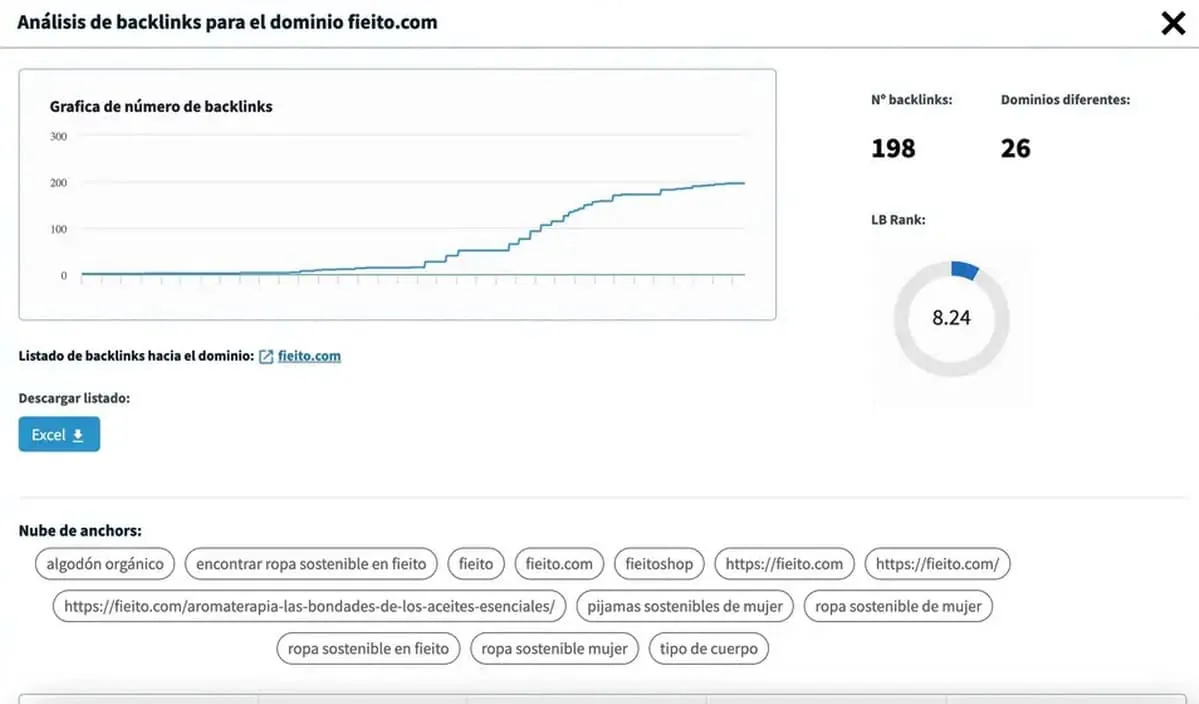
When we talk about authority, we mean the credibility that Google perceives in your domain. A good backlink profile can make Google see your page as a source of reliable information, increasing your domain authority (DA). This authority is key to ranking your pages better and competing for difficult searches.
However, it is not just about getting a lot of links. Google also evaluates the anchor text (the text that contains the link), the topical relevance of the site linking to you and whether the link is dofollow or nofollow. A natural backlink profile, with relevant and varied links, helps strengthen your site in the long term.
How to build a good backlink profile
Now that you know how important backlinks are, here are some strategies you can use to build a solid link profile:
- Guest Blogging: Guest posting on blogs with a good reputation is still one of
the most effective ways to earn quality backlinks. Add value with useful content and make sure
you choose sites that are relevant to your niche. You can find more than 30,000 media outlets
here on Growwer.
- Broken links: Use tools like Dinorank to find broken links on relevant sites.
Offer to replace that broken link with a link to your content. It is a win-win: you help the
webmaster fix a problem and, in return, you get a backlink.
- Shareable content: If you create amazing content (infographics, guides, case
studies), people will naturally share it and link to it. The key is to make content so good
that others want to reference it.
- Competitor backlinks: Analyze your competitors’ backlinks to discover what they are doing well and which opportunities you can replicate. This is where Dinorank comes in.
Here you can see in detail new techniques to get quality links for your website.
Helping a colleague increase his authority with Dinorank (real case)
To really understand how a tool can transform the way you work on your website’s SEO, I
want to tell you about a practical case. Some time ago, a student was working on an affiliate
niche site he had launched. The project was well structured, with quality content and a decent
architecture, but there was a problem: the backlink profile was poor and, as a result, the
site’s authority was barely moving.
When we started analyzing it, I realized that, although the content had potential, the lack of relevant backlinks was holding back the project’s growth. So we decided to focus our efforts on improving this aspect.
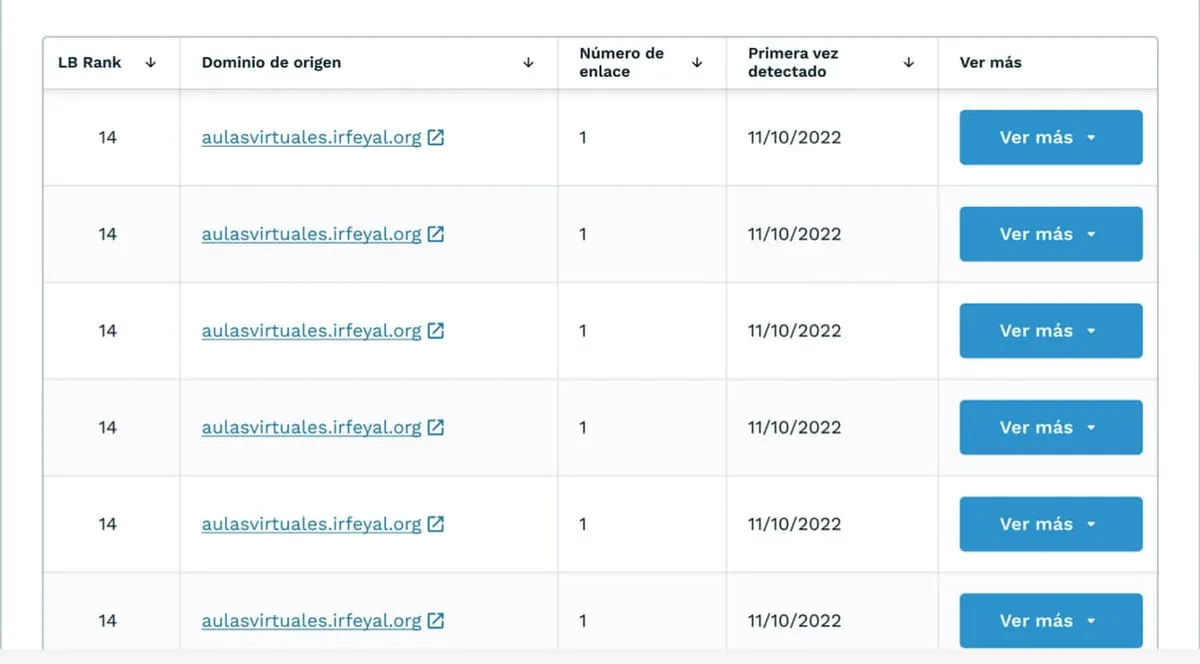
The first step was to audit the existing link profile. We found some toxic backlinks from low-quality sites that were not helping at all. These links, instead of adding authority, were taking it away from the website. We decided to clean them up and disavow them. To make this process easier, we relied on Dinorank. We were able to detect those problematic links, and we started monitoring which were the strongest backlinks that were really driving the site’s authority.
It was time to build a link building strategy. We knew it was not enough to get just any kind of link, so we started researching what the competitors were doing. With Dinorank, you can take a look at your competitors’ link profiles. This was key to identifying opportunities he had not considered before. We found that several of them were getting links from specific niche blogs that he did not know about.
We made a list of these sites and started to plan collaborations. How? Simple: we offered valuable content in the form of guest posts or collaborations on their blogs. It was not about sending mass emails, but about creating content that added something for their readers and that naturally included a link to his website.
With this strategy in place, he focused on monitoring the new backlinks we were getting. One of the things we know is that links are not static; some can disappear over time or lose their value if the site linking to you stops being relevant. Thanks to the notifications, it was possible to keep constant track of which links were still active and which had been lost. And not only that: it was also possible to analyze the distribution of anchor texts. It is essential to keep a balanced profile so you do not raise suspicions of over-optimization with Google.
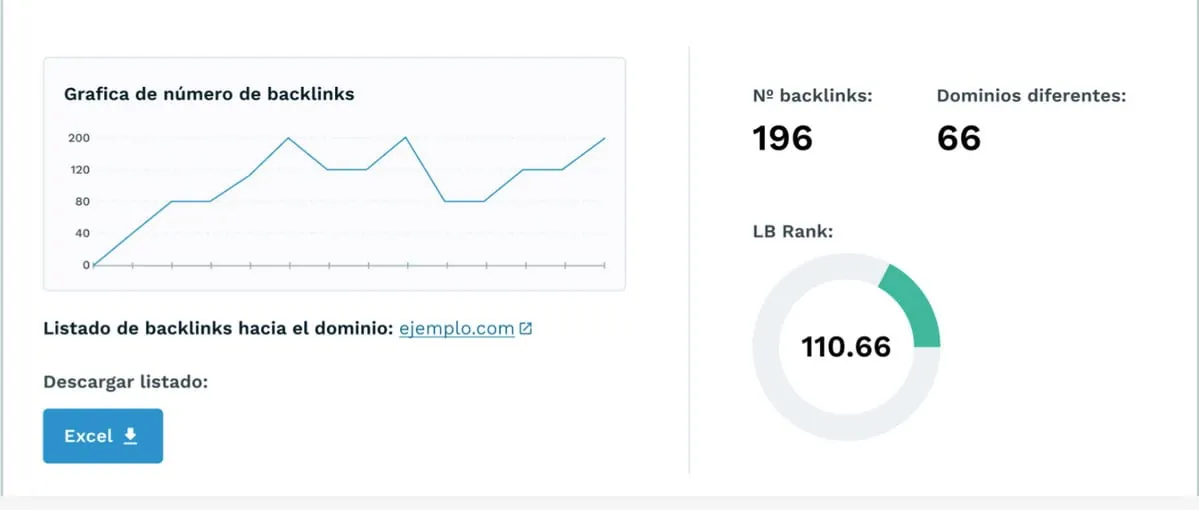
As these quality links were consolidated, the organic traffic flow started to improve significantly. The niche site’s key pages started to climb positions, above all thanks to the relevant backlinks we had obtained from sites with good authority and the internal linking that was done to make the most of all that strength coming to us from other domains.
Best of all, this link building strategy not only had a short-term impact, but it is still paying off today. Once you have a good link profile and keep building relationships with other sites, your authority grows steadily.
Backlinks: the key to a sustainable SEO strategy
At the end of the day, backlinks are still a fundamental pillar of any SEO project. It is not a matter of getting links from any site, but of building solid relationships with other websites that really add value to your strategy.
Managing and optimizing your backlink strategy becomes much easier with Dinorank. You do not need to spend a fortune on expensive tools or waste hours trying to track your links manually. Everything is centralized in one place, which lets you make fast and effective decisions.